https://www.aincresing.com/the-tapestry-of-american-identity-culture-cuisine-and-history/
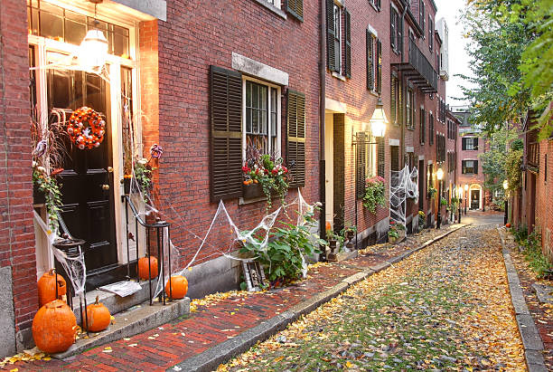
Every night on October 31st, American streets transform into a dazzling carnival: children dressed in outlandish costumes go door to door, shouting “Trick or Treat.” Adults hold masquerade balls, decorate haunted houses, and watch horror movies. Jack-o’-lanterns flicker in front of doorways, candy piles up like mountains, and supermarkets are blanketed in orange and black decorations a month in advance. Halloween has transcended its religious origins to become one of America’s most enduring and beloved holidays. It is a celebration of history, faith, commerce, and culture, embodying ancient sacrificial traditions while showcasing the creativity and cultural tolerance of American society.
1. Ancient Origins: From the Celtic Festival of Samhain to the Christian All Saints’ Eve
The roots of Halloween can be traced back to the ancient Celtic festival of Samhain over 2,000 years ago. The Celts, who lived in what is now Ireland, Scotland, and England, viewed October 31st as the boundary between summer and winter, the time when the worlds of the living and the dead were closest. Legend has it that on this night, the spirits of the dead return to the human world and wander among the people. To appease the spirits and pray for peace, people light bonfires and wear animal skins to ward off evil spirits.
As Christianity spread throughout Europe, the church attempted to replace pagan rituals with religious festivals. In the 8th century, Pope Gregory III designated November 1 as All Saints’ Day to commemorate all saints, while October 31 became All Hallows’ Eve, which later evolved into Halloween.
During this transformation, pagan rituals gradually merged with Christian traditions. People retained the custom of lighting lamps and wearing costumes, but they imbued it with religious meaning—using light to overcome darkness and prayer to expel evil spirits. It’s this fusion that has enabled Halloween to survive as a festival even after its religious overtones faded.
2. Halloween’s introduction to the United States: the integration of immigration and culture
Halloween’s popularity in the United States began with the large-scale Irish immigration in the mid-19th century. The Irish Potato Famine of the 1840s forced millions of immigrants to the New World, bringing with them folk traditions like Halloween. These immigrants reshaped the holiday in their new environment, adapting it to America’s diverse society.
Initially, American Protestant society was not enthusiastic about Halloween, believing it to have pagan overtones. However, with urbanization and the integration of immigrant cultures, the holiday gradually transformed into a community event. Children went door to door asking for candy, and adults held costume parties. Halloween began to become relaxed and entertaining, freeing itself from religious constraints and becoming a festival for all to participate in.
By the early 20th century, industrialization and media proliferation in American society had transformed Halloween into a national holiday. Radio, magazines, and Hollywood films combined horror with humor, perpetuating symbols like ghosts, witches, and jack-o’-lanterns. Americans, with immense creativity, reshaped this holiday, transforming ancient fears into modern celebrations.
3. Jack-o’-lanterns and Trick-or-Treat: Reinvention and Symbolism of Tradition
The most iconic symbols of Halloween in the United States are “Jack-o’-Lantern” and “Trick or Treat”.
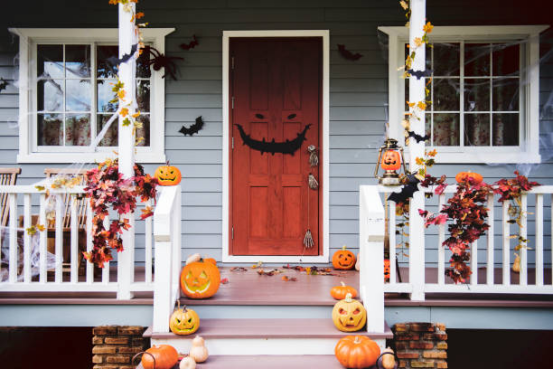
The story of the jack-o’-lantern originates from the Irish legend of Stingy Jack. It’s said that he tricked the devil and, after his death, could neither enter heaven nor hell, instead wandering the land carrying a hollowed-out turnip lantern. Immigrants to the United States replaced turnips with more readily available pumpkins, and the jack-o’-lantern has since become a symbol of the holiday. It symbolizes light dispelling darkness and represents family protection and reunion.
“Trick or Treat” originates from the medieval custom of “Soul-Seeking Day.” Back then, children and the poor would go door to door singing carols and praying for the dead in exchange for food. In the early 20th century, Americans adapted this tradition into a children’s game, having children dress up and ask neighbors for candy, adding to the fun and strengthening community. The widespread popularity of this custom has made Halloween one of the holidays that connects families and neighbors most closely.
This cultural re-creation of “fear” into “entertainment” is the key to Halloween’s success in the United States. It has freed the holiday from religious mystery and turned it into a joyous moment shared by all the people. It also demonstrates Americans’ ability to transform traditional folk customs into popular culture.
4. Commercialized Carnival: The Economic and Cultural Symbiosis of Halloween
If Christmas represents warmth and faith, then Halloween represents a feast of creativity and consumption. Today, Halloween has become the second-largest commercial holiday in the United States, second only to Christmas. According to the National Retail Federation (NRF), Americans spend tens of billions of dollars annually on Halloween, including candy, costumes, decorations, and party supplies.
Major retailers, brands, and media outlets are actively participating. Supermarkets display pumpkin-themed merchandise, clothing companies release cosplay costumes, movie studios release horror films in October, and even pets have their own “Halloween costumes.” Social media has further fueled the trend—people post their looks on Instagram and creative makeup tutorials on TikTok, bringing the holiday spirit online.
Yet, commercialization hasn’t diminished Halloween’s cultural appeal; instead, it’s given it new life. It’s made the holiday more inclusive, allowing anyone to participate in their own way—whether through horror, comedy, romance, or retro, Halloween has become a stage for individual expression. In this way, America’s “consumer culture” and “creative culture” have formed a symbiotic relationship: commerce drives the spread of the holiday, while the holiday, in turn, inspires new cultural creation.
5. Cultural Inclusion and Identity: The Social Significance of Halloween
In contemporary America, Halloween is no longer just a children’s holiday. It has become a cultural stage for people to express their identities, release their emotions, and transcend boundaries.
At costume parties, people transcend the constraints of their everyday identities by adopting different roles. Some dress up as superheroes, symbolizing hope and strength; others transform into zombies or vampires to vent the stresses of life; others choose humorous or satirical looks to creatively express social attitudes. This “temporary transformation of identity” gives Halloween a kind of psychological healing power, allowing people to re-examine themselves in a relaxed atmosphere.
More importantly, Halloween embodies the diversity and inclusiveness of American society. People of all races, religions, and social classes can participate, creating a space for joy and imagination. Immigrant communities often incorporate elements of their own cultures into Halloween, such as Latino “Day of the Dead” (Día de los Muertos) decorations, Chinese paper lanterns, and Japanese anime characters. This cultural fusion makes Halloween a microcosm of America’s diverse society—a holiday that respects differences and encourages expression.
6. From Fear to Celebration: Cultural Transformation in Modern Society
Throughout the history of Halloween, its core has always been the wisdom of facing fear. Ancient people used rituals to resist the unknown, while modern people use humor to defuse fear. Americans have transformed taboo themes like death and ghosts into entertainment, reflecting a positive cultural mindset: facing darkness and conquering it with creativity and laughter.
This mentality, to some extent, reveals the cultural DNA of American society—optimism, innovation, and the courage to face uncertainty. The Halloween “carnival” isn’t an escape from reality, but rather a symbolic social release: through costumes, games, and laughter, people temporarily let go of their identities and pressures and rebuild emotional connections.
VII. Conclusion: Continuing the vitality of culture in carnival
From the Celtic fire-worshipping night to the modern American national party, Halloween has evolved over hundreds of years, ultimately becoming a cultural spectacle that integrates faith, entertainment, and commerce. Its vitality comes from this ability to constantly transform and integrate.
Halloween allows people to find a balance between laughter and fear, freedom between consumption and creativity, and a connection between tradition and modernity. It reminds us that culture is not a static legacy but a fluid life that each generation can reinterpret in its own way.
As night falls, the dim glow of pumpkin lanterns returns, and children run through the streets clutching bags of candy. At that moment, Halloween becomes more than just a celebration of the holiday; it becomes a continuation of human emotions, social connections, and cultural creativity—an American holiday that shines with the warmth of humanity amidst its revelry.
https://www.aincresing.com/the-tapestry-of-american-identity-culture-cuisine-and-history/